The new global way for identity trust
All Stories

UBO Requirements Guide: Global Identification & Verification
Ultimate Beneficial Owner (UBO) identification and verification requirements are a cornerstone of global Anti-Money Laundering (AML) and Know Your Business (KYB) regulation. They require regulated organizations to look beyond a...


What Is AML for Fintech?
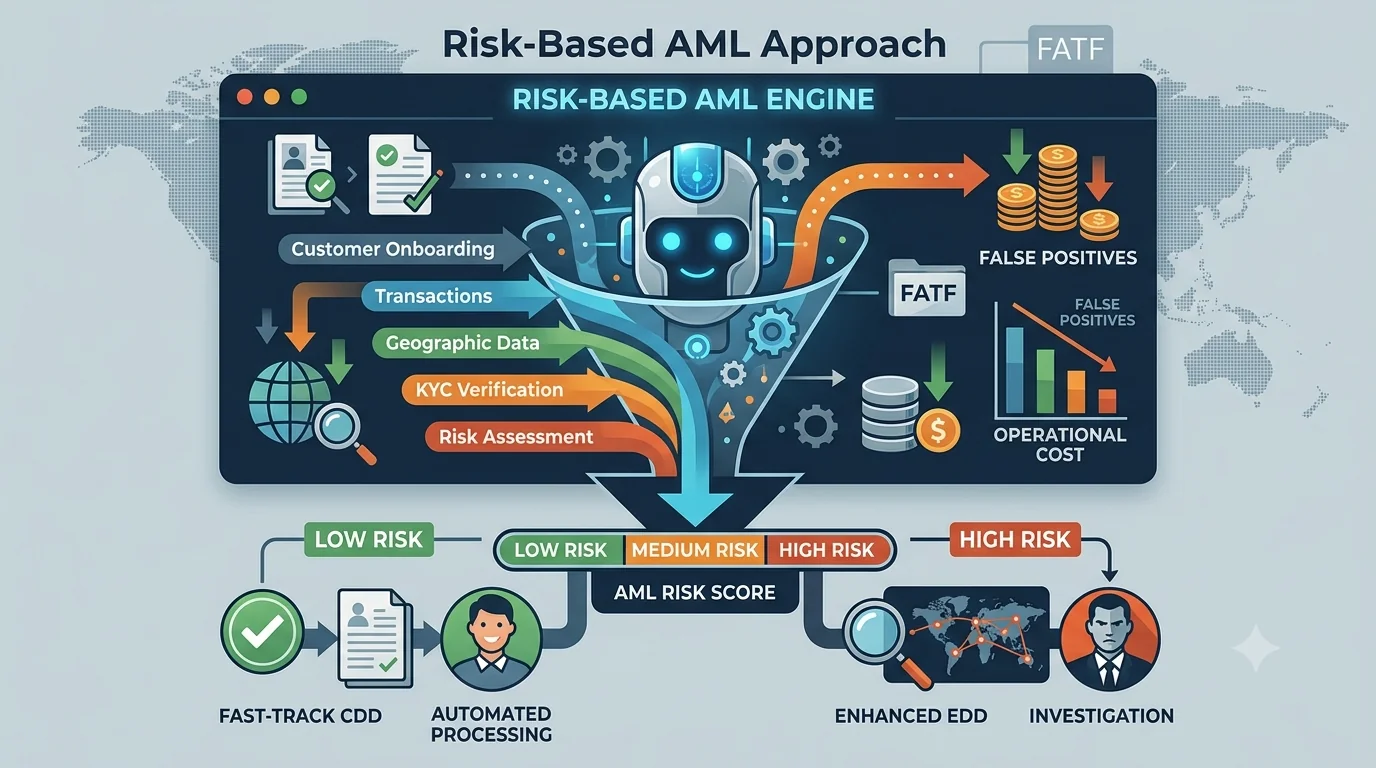
AML for fintech is the set of policies, technologies, and processes fintech companies use to detect, prevent, and report money laundering. It typically combines identity verification (KYC), business verification (KYB),...

What Is AML Automation?
AML automation is the use of technology, APIs, and intelligent workflows to automate Anti-Money Laundering (AML) processes such as customer screening, identity verification, risk assessment, transaction monitoring, and ongoing monitoring....
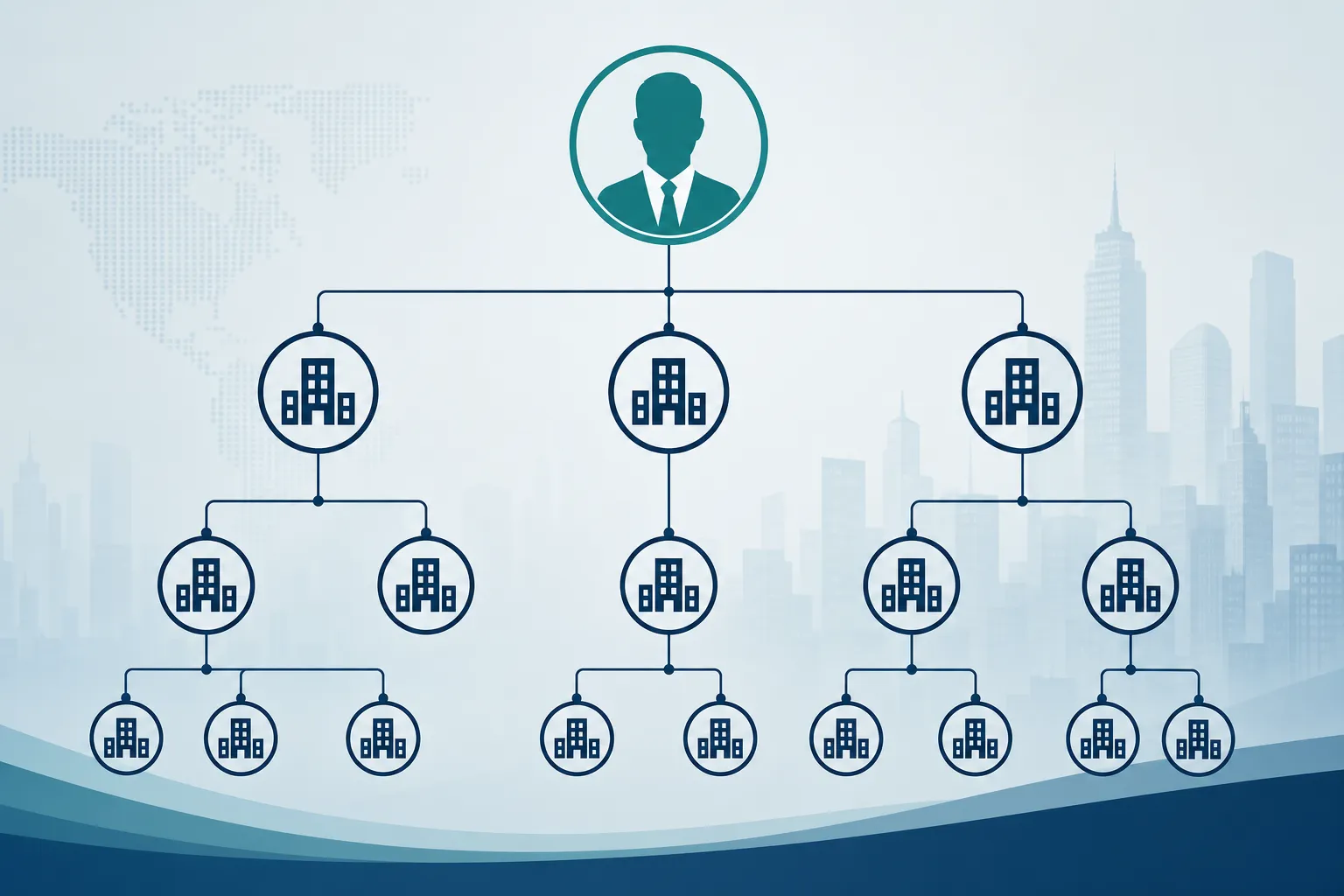
What Is UBO Identification?
UBO identification is the process of determining the natural person or persons who ultimately own or control a business entity. A UBO (Ultimate Beneficial Owner) is typically an individual who...
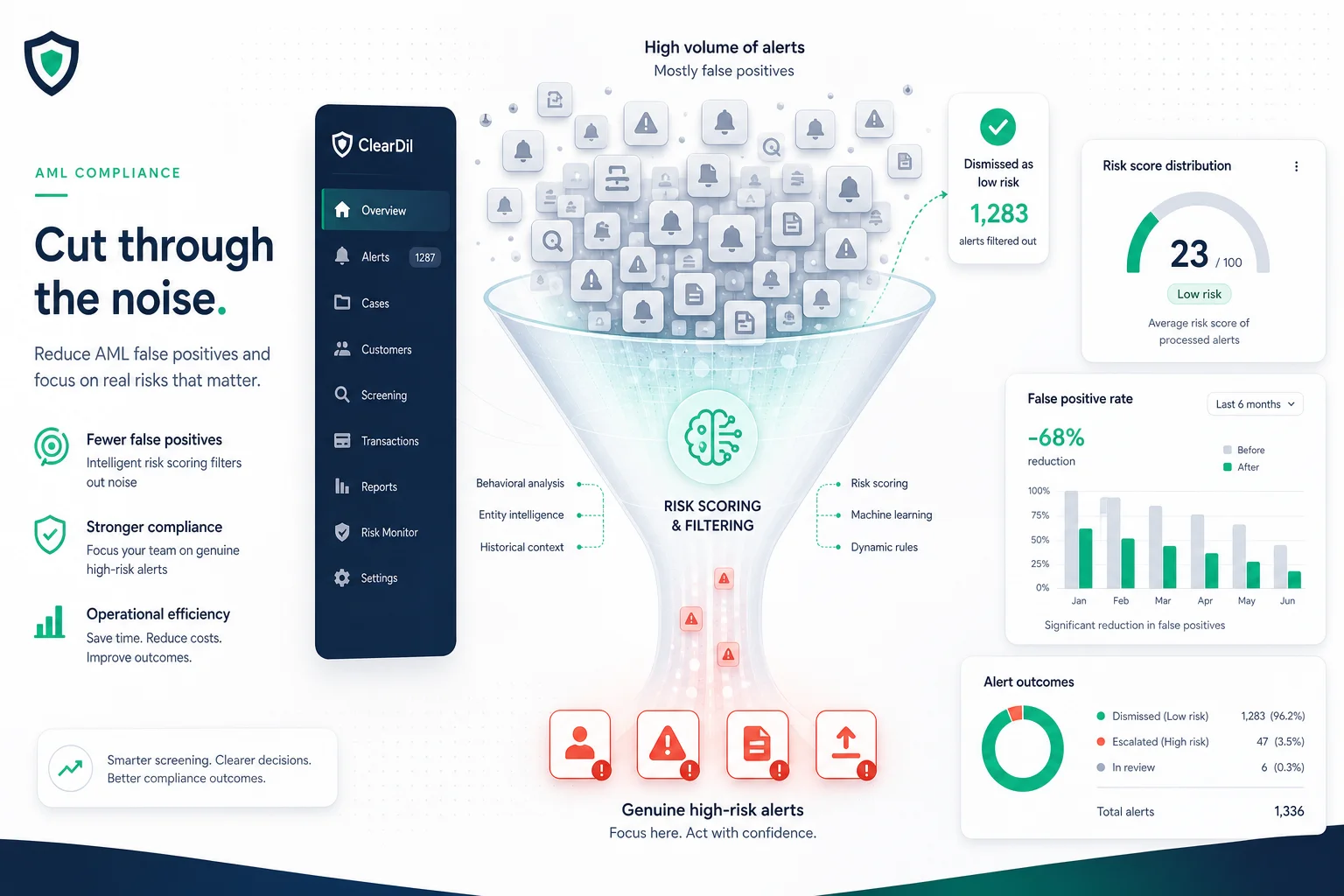
Why AML Teams Drown in False Positives (And How Modern Platforms Fix It)
AML false positives are one of the most persistent drains on compliance operations. When screening and transaction monitoring systems flag innocent customers and transactions, investigators spend hours on cases that...